Fabrication, Installation, and Startup of NRUs
Authored by J Anguiano, Chief Technology Officer, Reset Energy
The success of a Nitrogen Rejection Unit (NRU) depends not only on its design but also on its fabrication, installation, and startup. Poor execution in these phases can lead to operational issues and costly downtime. This blog explores best practices for NRU fabrication, installation, and startup, addressing common pitfalls and solutions.
Fabrication Concepts
- Cold Box vs. Modular Skids:
- Cold Box: Traditional NRUs use a perlite-insulated “cold box” for low-capacity installations, minimizing heat loss. However, restricted access complicates troubleshooting and repairs.
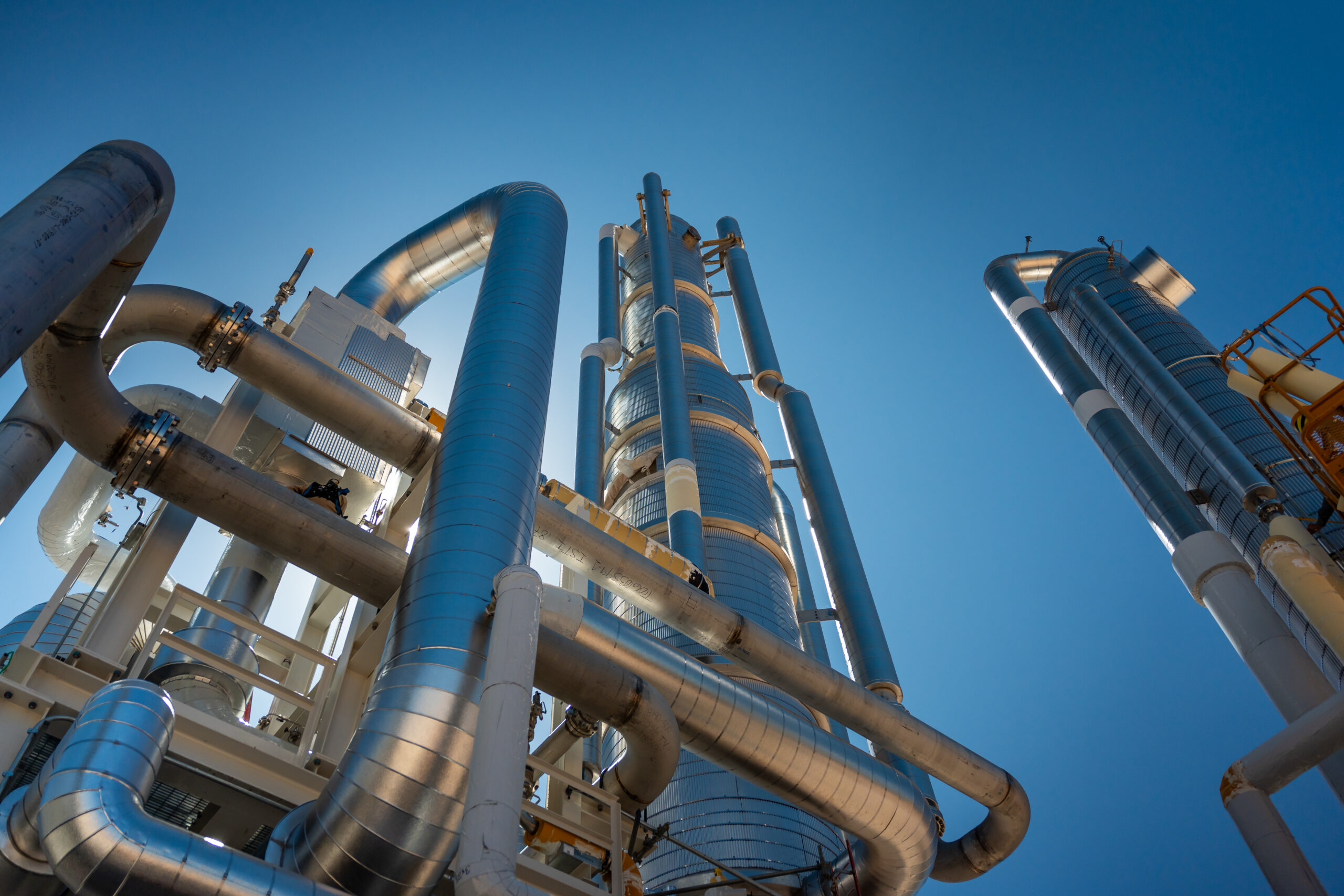
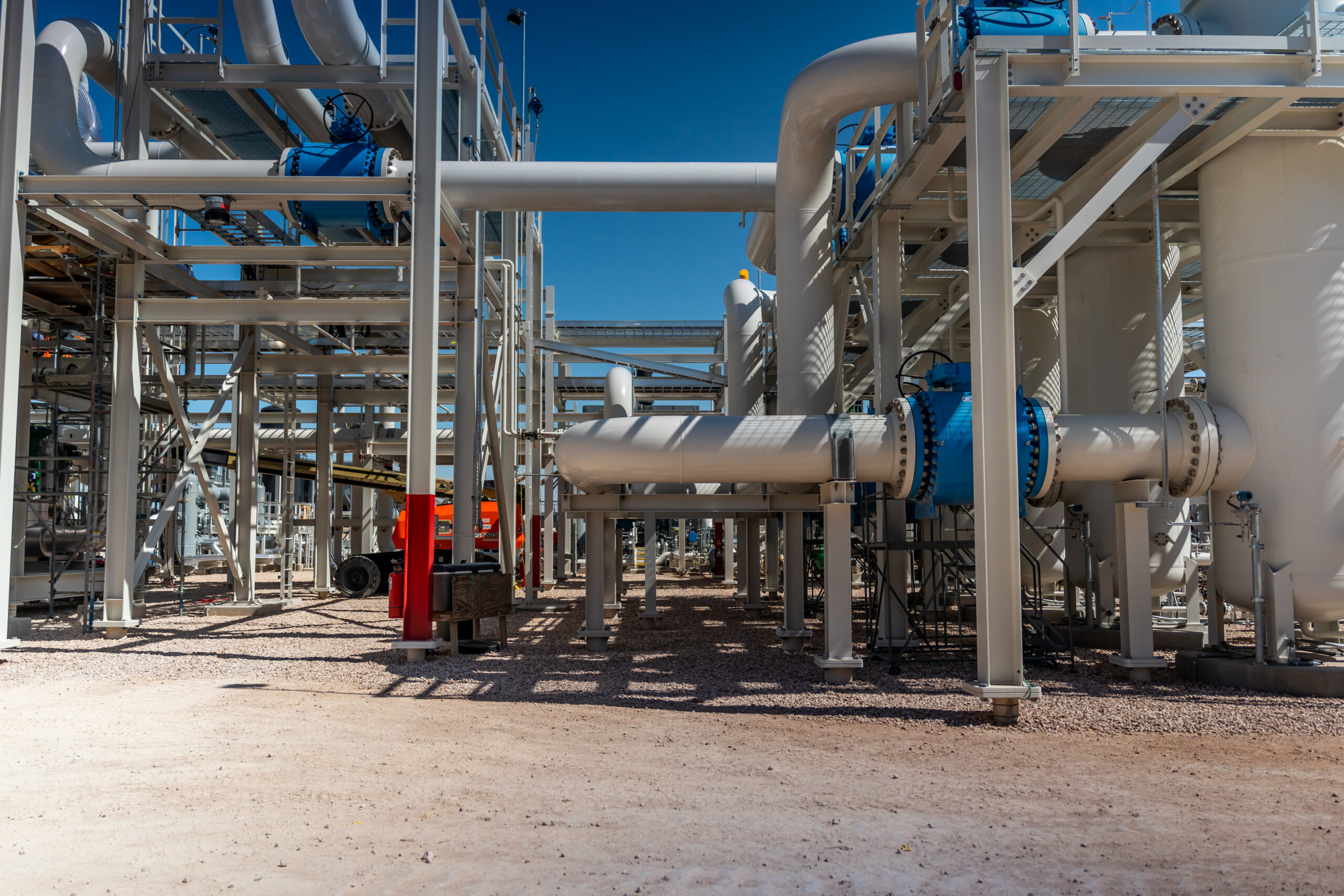
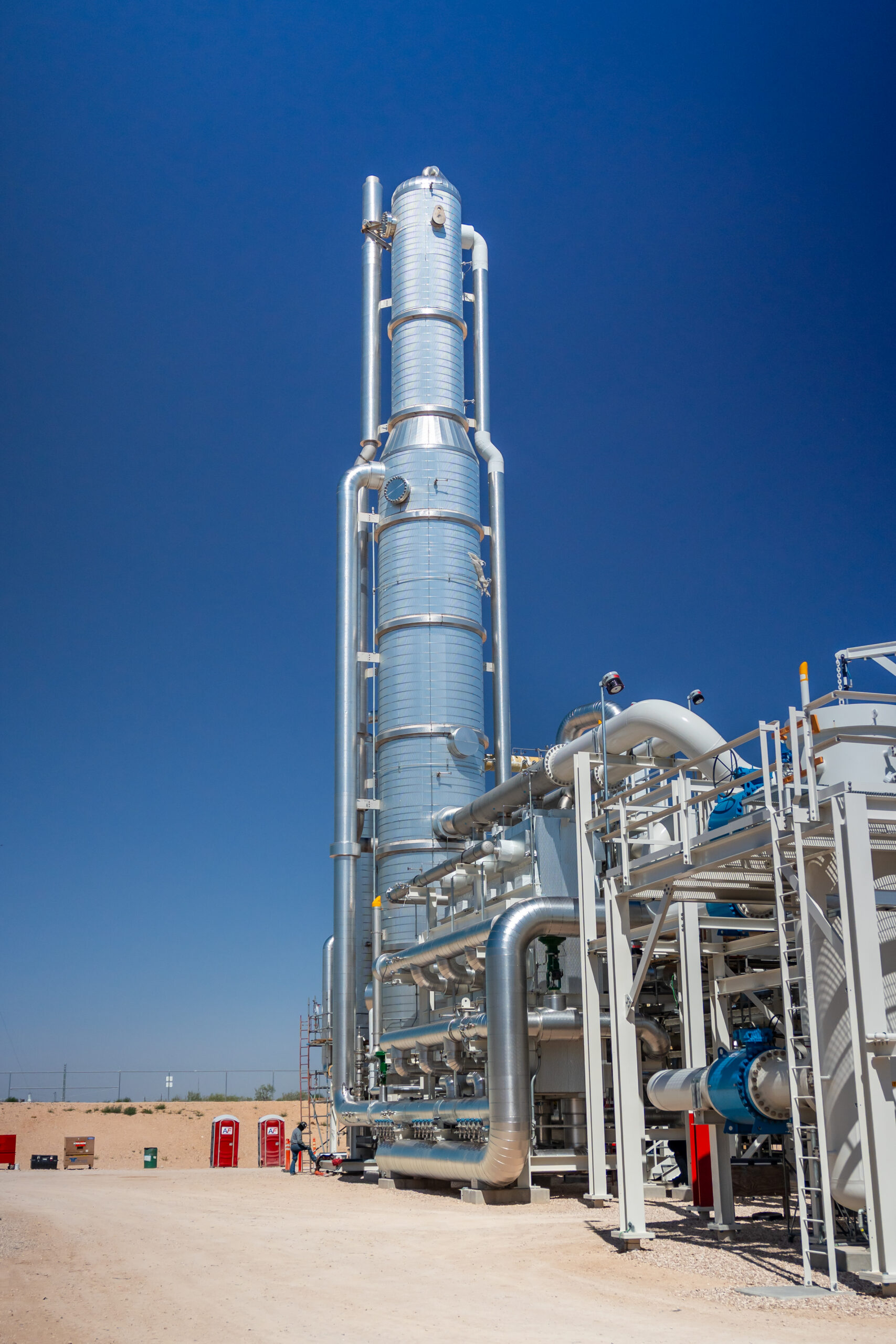
- Modular Skids: Larger NRUs adopt modular skids with insulated equipment and piping. This design improves visibility for troubleshooting and leak detection but requires robust insulation to minimize heat loss and prevent ice formation.
“Doing it outside the box is a better fit for the midstream market — the reflux system is external to the tower. You have complete visibility.” — J. Anguiano, CTO, Reset Energy
- Key Equipment Considerations:
- Distillation Columns: Use random packing for cost-effective designs or valve trays for flexibility and better turndown (5:1 vs. 3:1). Feed gas CO₂ content should be held at 50 ppm or less to prevent ice formation on tower internals, which can otherwise cause high differential pressure across the column and heat exchangers.
- BAHE: Insulate and mount on a standalone structure to manage thermal expansion and facilitate maintenance.
- Reflux Pumps: Mechanical seal and sealless cryogenic pumps are available, but account for long lead times in project planning.
- Compression: Compression is central to NRU performance, driving the pressure differential needed for nitrogen separation and boosting the rich methane stream back into the sales gas system. Multi-stage reciprocating compressors suit high compression ratios at small to medium flow rates, while centrifugal compressors handle large throughputs but require surge control.
Our Nitrogen Rejection Units are engineered with these fabrication considerations built in from the design phase, helping avoid many of the pitfalls outlined below before they reach the field.
Installation Best Practices
- Cleanliness: Blow and scrub piping to remove debris, especially around BAHEs. Use startup screens to capture particulates and consider leaving them as permanent fixtures.
- Avoid Hydrotest: Pneumatically test piping to prevent water freezing issues. Monitor water dew point during dry-out to ensure a bone-dry system prior to startup.
- Lube Oil Prevention: Install efficient filter coalescers upstream to block lube oil entrainment from upstream compressors.
Startup Considerations
- Purge and Leak Testing: Follow a three-step purge process (25%, 50%, 100% of operating pressure) to check for leaks, using the nitrogen vent for blowdowns.
- BAHE Maintenance: Monitor pressure drops (3-5 psi) and have burst plates (25, 50, 75 psi) ready for back puffing to clear debris, if needed.
- Column Inspection: Inspect tower internals for secure hardware and intact distributors, using a crane and air mover for safe access.
Key Takeaways
- Modular skid designs improve troubleshooting but require careful insulation and piping design.
- Cleanliness and pneumatic testing are critical to prevent operational issues like fouling or freezing.
- Thorough startup procedures, including purge and leak tests, ensure a smooth transition to online operation.
Ready to implement an NRU? Contact us to discuss how to optimize your nitrogen rejection strategy for efficiency and compliance.
What is a cold box NRU, and when is it used?
A cold box is a perlite-insulated metal structure that encloses NRU equipment and piping to minimize heat loss. It’s the traditional approach and is best suited for low-capacity installations. The tradeoff is restricted access — if a leak develops (for example, in the BAHE), the confined space makes it difficult to locate and repair, sometimes requiring the exchanger to be cut out entirely.
Why do larger NRUs use modular skids instead of a cold box?
As NRU capacity increases, modular skid designs become the more practical choice. Equipment, piping, and instrumentation are assembled on open skids with thick cold-pipe insulation rather than an enclosure, giving operators direct visual access to instruments and components. This significantly improves the ability to troubleshoot control issues and pinpoint leaks compared to a sealed cold box.
How long does NRU installation and startup typically take?
Timing depends heavily on long-lead-time equipment — the BAHE and cold reflux pumps in particular tend to set the overall project schedule, so their detailed design should be finalized early to avoid delaying vendor purchase orders. Startup itself follows a three-step purge process (25%, 50%, then 100% of operating pressure) followed by a slow introduction of first gas while monitoring water dew point, which can take several days to reach a bone-dry specification.
What causes fouling or pressure drop issues in a BAHE after startup?
Particulates that enter during construction are the most common cause. Because BAHE channels are narrow and closely spaced, even small debris can cause a noticeable rise in differential pressure — typically expected to stay within 3-5 psi. If pressure drop exceeds that range, a back-puff procedure using burst plates (25, 50, or 75 psi) can clear debris without requiring a full teardown.
Why is pneumatic testing preferred over hydrotesting for NRU piping?
Hydrotest water is difficult to fully remove once piping is installed, and any residual moisture risks freezing once cryogenic operation begins. Pneumatic testing avoids introducing water in the first place, and it’s paired with a dry-out procedure that confirms the system meets a bone-dry dew point specification before startup.
Ready to implement an NRU? Contact us to discuss how to optimize your nitrogen rejection strategy for efficiency and compliance.
Plan an introduction meeting today
Contact our experts today to discover how our innovative solutions can tackle your complex energy challenges