Choosing the Right Nitrogen Rejection Technology
Authored by J Anguiano, Chief Technology Officer, Reset Energy
Selecting the right nitrogen rejection technology is a pivotal decision for natural gas operators. With multiple options available, each with unique advantages and challenges, operators must align their choice with operational goals, feed gas composition, and environmental considerations. With multiple options available, each with unique advantages and challenges, operators must align their choice with operational goals, feed gas composition, and environmental considerations. This blog compares three primary nitrogen rejection technologies and highlights why cryogenic distillation often stands out.
Nitrogen Rejection Technologies
- Membrane Separation:
- How It Works: Uses semi-permeable membranes to separate gases based on molecular size or diffusivity, ideal for bulk nitrogen removal (>15 mol%).
- Pros: Simple operation, minimal equipment complexity.
- Cons: High methane losses in the permeate stream, substantial compression and recompression requirements, and limited ability to polish nitrogen down to low levels (<3 mol%).
- Pressure Swing Adsorption (PSA):
- How It Works: Relies on adsorption under controlled pressure to separate nitrogen, using molecular sieves in alternating high/low-pressure cycles.
- Pros: Effective for specific applications, relatively straightforward process.
- Cons: High methane losses, scalability challenges, and substantial compression requirements.
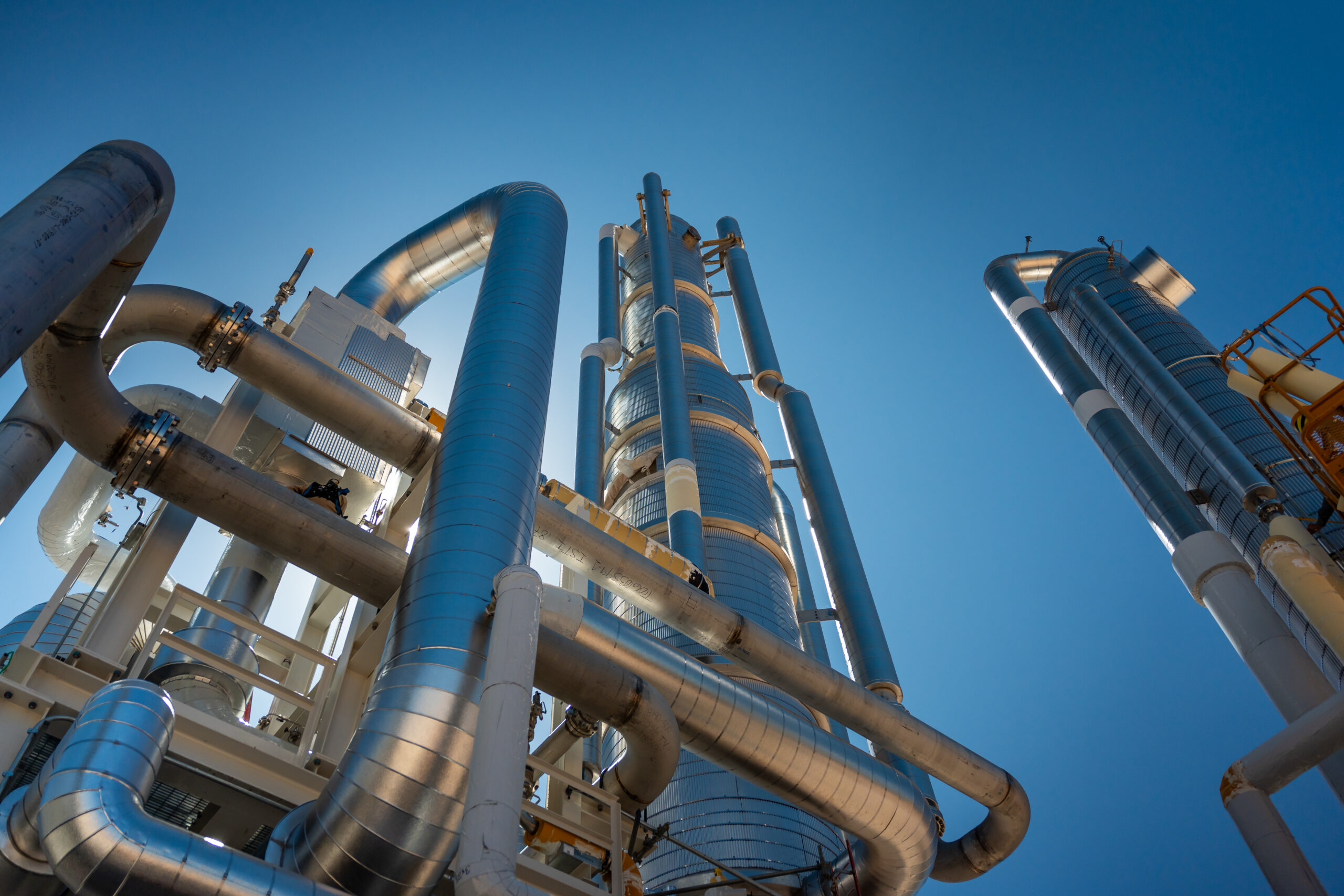
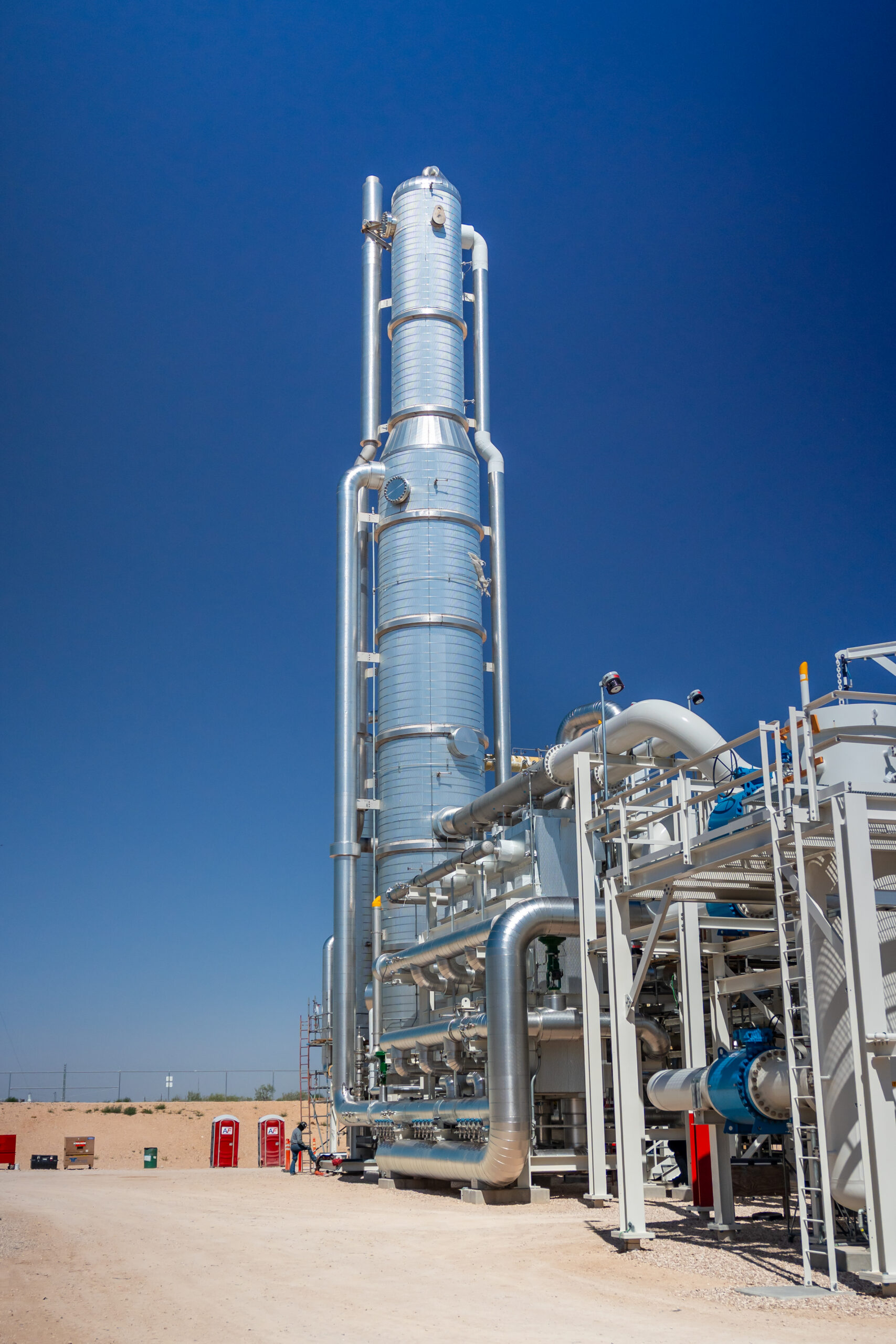
- Cryogenic Distillation (NRU):
- How It Works: Uses low temperatures to separate gases based on boiling points, leveraging the Joule-Thomson (JT) effect for cooling and methane liquefaction.
- Pros: Lower power consumption, reliable operation, minimal methane emissions/losses, and ability to polish nitrogen content in treated gas to low levels (<1 mol% nitrogen).
- Cons: Higher upfront complexity and cost, but offset by long-term efficiency and environmental benefits. Requires a dry feed gas stream with low CO2 content (<50 ppm) to eliminate freezing.
Why Cryogenic Distillation?
Cryogenic NRUs are often the preferred choice for moderate to high nitrogen content due to their efficiency, reliability, and environmental advantages. They require less compression, use conventional gas processing equipment, and can handle varying feed compositions while maintaining product specifications. This makes them ideal for operators prioritizing emissions control and long-term cost savings — a growing priority as environmental regulations and potential methane emissions taxes place added scrutiny on gas processing operations.
Evaluating The Technology Provider
Technology selection doesn’t end with choosing cryogenic distillation — the provider behind the NRU matters just as much. NRUs have a reputation for being difficult to run consistently while maintaining product specifications and minimizing methane losses, and multi-pass core heat exchangers combined with self-refrigeration make these units less intuitive to operate than conventional gas processing equipment. Because of this, the level of transparency, training, and operational data a technology provider offers is often the deciding factor in NRU technology selection.
“The extent to which a technology provider can provide operators with the transparency, information, procedures, and training necessary to operate the NRU was considered the greatest determining factor in selection of the NRU technology provider.” – J Anguiano, CTO, Reset Energy
Key Takeaways
- Membrane separation and PSA are suitable for niche applications but struggle with methane losses and scalability.
- Cryogenic distillation offers superior efficiency, reliability, and environmental performance, making it the go-to for most NRU applications for the midstream market.
- Technology selection should align with feed gas nitrogen content, operational goals, and regulatory requirements. Elevated nitrogen levels in shale gas production necessitate NRU deployment.
What’s the main drawback of membrane separation for nitrogen removal?
Membrane separation works well for bulk nitrogen removal above 15 mol%, but it struggles to polish nitrogen down below 3 mol% and typically comes with high methane losses in the permeate stream, along with substantial compression and recompression requirements.
Is Pressure Swing Adsorption (PSA) a good fit for nitrogen rejection?
PSA can work for specific, niche applications, but it shares many of membrane separation’s drawbacks — notably high methane losses and difficulty scaling equipment size — along with substantial compression requirements of its own.
Why do most operators choose cryogenic distillation over membrane or PSA technology?
Cryogenic distillation consumes less power per unit of gas processed, handles varying feed compositions while maintaining product specifications, and delivers the lowest methane emissions of the three options — capable of polishing nitrogen content down below 1 mol%.
Beyond the technology itself, what should operators evaluate when choosing an NRU provider?
The transparency, training, and operational data a provider offers. NRUs are known to be less intuitive to operate than conventional gas processing equipment, so a provider’s ability to support troubleshooting and diagnosis — not just the underlying technology — is often the deciding factor.
What feed gas condition is required for cryogenic distillation to work reliably?
A dry feed gas stream with CO2 content below 50 ppm is necessary to prevent ice formation, which can otherwise cause operational issues like high differential pressure across the column and heat exchangers.
In our next blog, we’ll explore the design principles behind cryogenic NRUs, including single vs. dual column systems and their impact on performance.
Plan an introduction meeting today
Contact our experts today to discover how our innovative solutions can tackle your complex energy challenges